
Get SHE’S Daily Newsletter | Subscribe Here

How I Discovered Make Ahead Camping Food Was the Only Way I Actually Enjoyed Outdoor Trips
Disclaimer. Some images featured in this article may originate from third-party sources and are used for illustrative purposes. Please review our Image Credits Policy for attribution information.
I used to dread the cooking part of camping the way some people dread packing. I loved the idea of being outside, that quiet that feels different from city quiet for sure. But standing over a camp stove at 7pm, hungry, trying to remember if I had packed the salt.
It took me an embarrassingly long time to figure out that the problem was never camping. The problem was the food.
The moment I discovered properly planned, truly done-in-advance camping food, everything shifted. Not just the meals. The entire trip.
Why was I Getting It Wrong Every Single Time Before?
I want to be honest about what my old approach looked like, because I know I am not the only one who did this.
I would make a loose list of “things to cook” at camp, throw ingredients into a cooler with zero system, and voilà.
What actually happened was that I spent half my trip either too tired to cook properly or eating sad granola bars at 9 pm.
Now I have the mindset that a campsite is not a kitchen. It is a place to reheat and enjoy. Everything hard should already be done before you leave your home.
What Does “Make Ahead” Actually Mean in Real Life?
It does not mean showing up with a dozen labeled containers like you are on a meal prep YouTube channel. It means being realistic about what you will have the energy for after a long day of hiking or just driving for five hours to get somewhere remote.
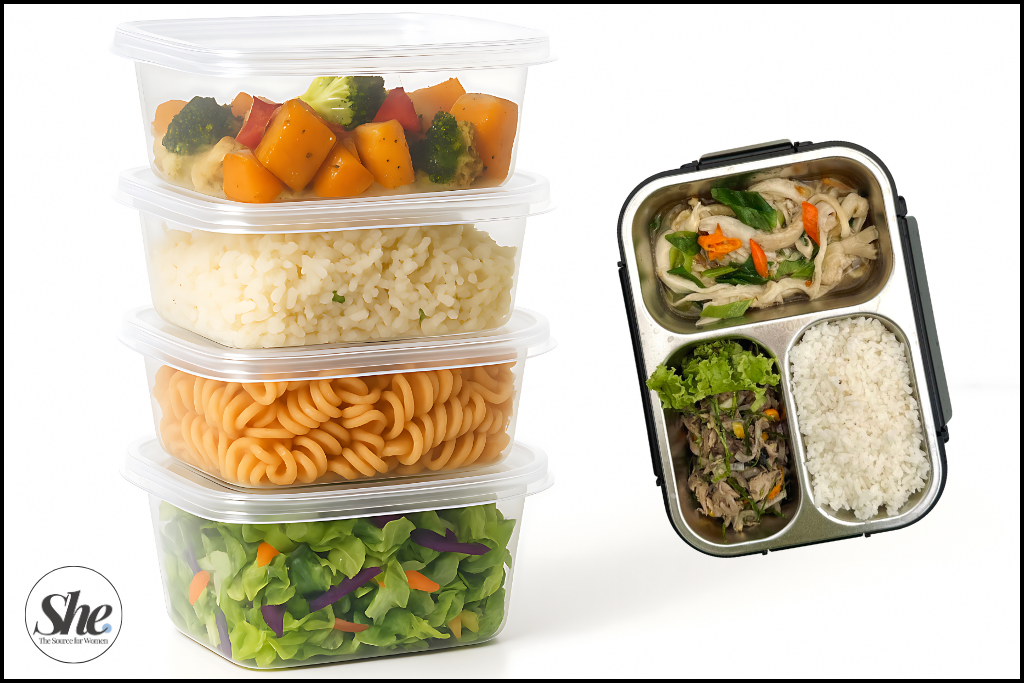
I make a big batch of marinated, cooked chicken thighs before I leave. I portion rice into zip bags and prep chopped vegetables in one container so they are ready to go into a pan without any knives.
It sounds almost too simple. That is the point.
Camping meal prep, day by day
📅
3 days before
Plan
Menu + Shopping
- Decide meals for each day
- Write one grocery list
- Check equipment
🛒
2 days before
Shop + Cook
Batch Cook
- Cook proteins fully
- Prep grains, portion out
- Make sauces and dips
📦
Night before
Pack
Label + Load Cooler
- Label every bag
- Layer cooler properly
- Freeze soups flat
🔥
At camp
Enjoy
Heat + Assemble
- Reheat, don’t cook from scratch
- Combine, serve, sit down
- Enjoy the fire
The Meals That Changed the Game for Me
Breakfast is always overnight oats for sure. I portion them into individual jars before I leave. Just open and eat while the sun comes up.
Lunch is almost always a wrap situation: pre-cooked protein, a spread I made at home like a herby cream cheese, some vegetables I packed, a tortilla, and, of course, that’s it.
Dinner is where I actually put in a little camp effort, but only a little. I heat what I prepped; I use a cast-iron pan for anything that needs crisping, and the whole thing takes maybe fifteen minutes.
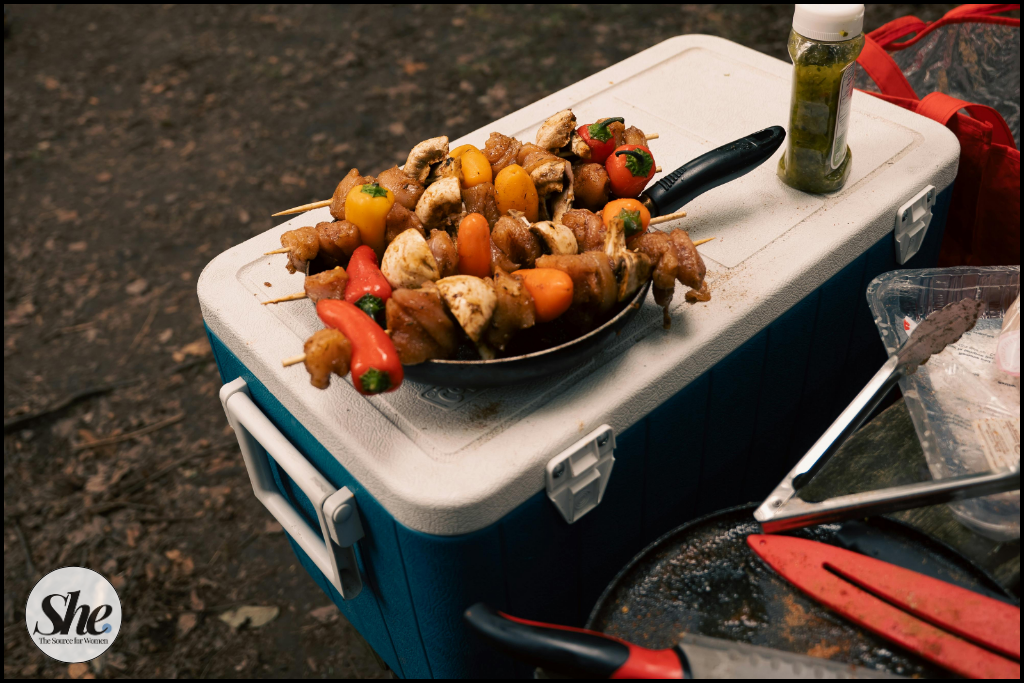
The nights I have done foil packets, everything prepped and seasoned at home, just thrown on the coals at camp, Those are the meals people talk about on the drive home.
3-day make ahead camping meal plan
| Meal | What to eat | Prepped at home? | At camp effort |
|---|---|---|---|
| Breakfast | Overnight oats in jars with berries | Yes, night before trip | Open jar. Eat. |
| Lunch | Wraps with herby cream cheese, chicken, chopped veg | Protein cooked, veg chopped | Assemble only |
| Dinner | Foil packets, marinated chicken and veg | Marinated and sealed at home | Throw on coals, 20 min |
| Breakfast | Overnight oats, day 2 jar | Yes | Open jar. Eat. |
| Lunch | Rice bowls with cooked protein and sauces from home | Rice portioned, protein cooked | Cold or quick heat |
| Dinner | Frozen soup reheated over camp stove | Made and frozen 2 days before | Heat and pour |
| Snacks | Salted nuts, dark chocolate, good crackers | Packed shelf-stable | Grab and go |
How My Partner and I Made This a System That Actually Sticks?
This part matters more than I initially realized.
My partner, who is my husband, and I now sit down together before every trip and split the prep. One of us handles proteins (mostly chicken) one handles breakfasts and snacks. We both know what is in the cooler, where it is, and what each meal requires at camp.
That conversation, honestly, just twenty minutes of communication before a trip, can change the actual camping experience completely.
The Cooler Is Half the Strategy
I used to just throw things in and hope for the best. which is not recommended at all.
Ice on the bottom, then the items that need to stay coldest, like raw proteins if I am bringing any, then prepped meals on top, and then drinks in a separate cooler entirely.
Block ice lasts significantly longer than cubed ice. A quality cooler like a Yeti for around $45 to $60 keeps things cold for three or four days.
How to layer your camping cooler
1
Block ice
Always on the bottom. Block ice lasts twice as long as cubed. Lay flat, cover the base fully.
Bottom
2
Raw proteins or frozen soups
Anything that needs to stay coldest goes directly on the ice. Labeled zip bags, laid flat.
Coldest zone
3
Prepped meals and containers
Cooked proteins, overnight oats, wraps, chopped veg. Everything labeled, airtight, in order of use.
Mid layer
4
Snacks and easy access items
Cheese, fruit, anything you reach for often. Top layer means fastest access.
Top
Drinks always go in a separate cooler. That lid gets opened every 10 minutes.
The things I pack that are not cold are just as important. Olive oil in a small squeeze bottle. Some good quality crackers. Dark chocolate and, for sure, a bag of salted nuts.
Camping food planning is genuinely 70% cooler management and 30% recipes. Nobody tells you that at first.
The Life Hack That Sounds Too Simple to Work
Seriously. I make soups, chilis, and curries at home, freeze them flat in zip bags, and they go into the cooler frozen solid. They act as extra ice for the first day or two, then slowly thaw.
This changed winter camping for me. Hot soup on a cold night, already made, no effort, just heat and eat. That would be awesome.
What I Was Doing Wrong Before I Finally Figured This Out?
There are four things I see women do, including myself in the past.
The first is over-complicating the menu. You do not need five different dinners with unique ingredients.
The second is packing raw ingredients instead of prepped ones. Raw onions and peppers take up the same space as chopped ones, but take ten times the effort at camp. Do the chopping at home. Always.
The third is not labeling anything. By day two, everything in a zip bag looks the same. So, two minutes at home saves fifteen minutes of confusion at camp.
The fourth is trying to replicate home cooking at camp. The best camping food is not a downgrade from home food. It is its own category. Simple and satisfying.
What My Trips Look Like Now and Why I Will Never Go Back?
I arrive at the campsite with everything in order, a cooler that makes sense, and a bag of non-perishables that is organized. and a clear idea of what we are eating each day.
The first night, I am sitting by the fire within an hour of arrival.
That feeling was really memorable.
Camping food used to be the thing I dreaded most about outdoor trips. Now it is one of the things I actually look forward to planning.
It took me years to get here, to be honest.
Faq
Is make ahead camping food safe to eat after a few days in a cooler?
Yes, as long as your cooler stays properly cold, below 40 degrees Fahrenheit.
What if I am camping somewhere without a cooler or refrigeration?
That is where shelf-stable ingredients shine. Canned beans, nut butters, dried lentils, good quality instant oats, olive oil, and spices.
How do I handle camping food for different dietary needs in a group?
I build around one or two flexible bases, like rice and roasted vegetables, and keep the proteins separate so everyone can customize if we were a group, which rarely happens; most of the time I camp with my husband solo only.
What is the one thing you would buy to make camp cooking easier?
A good cast-iron pan. Mine cost around $30, and I have used it on every single trip for the past four years.